Across Northern Ireland, families have spent decades challenging flawed investigations, withheld evidence and official silence. Molly Quell speaks with families who turned to the European Court of Human Rights in Strasbourg in search of accountability.
==
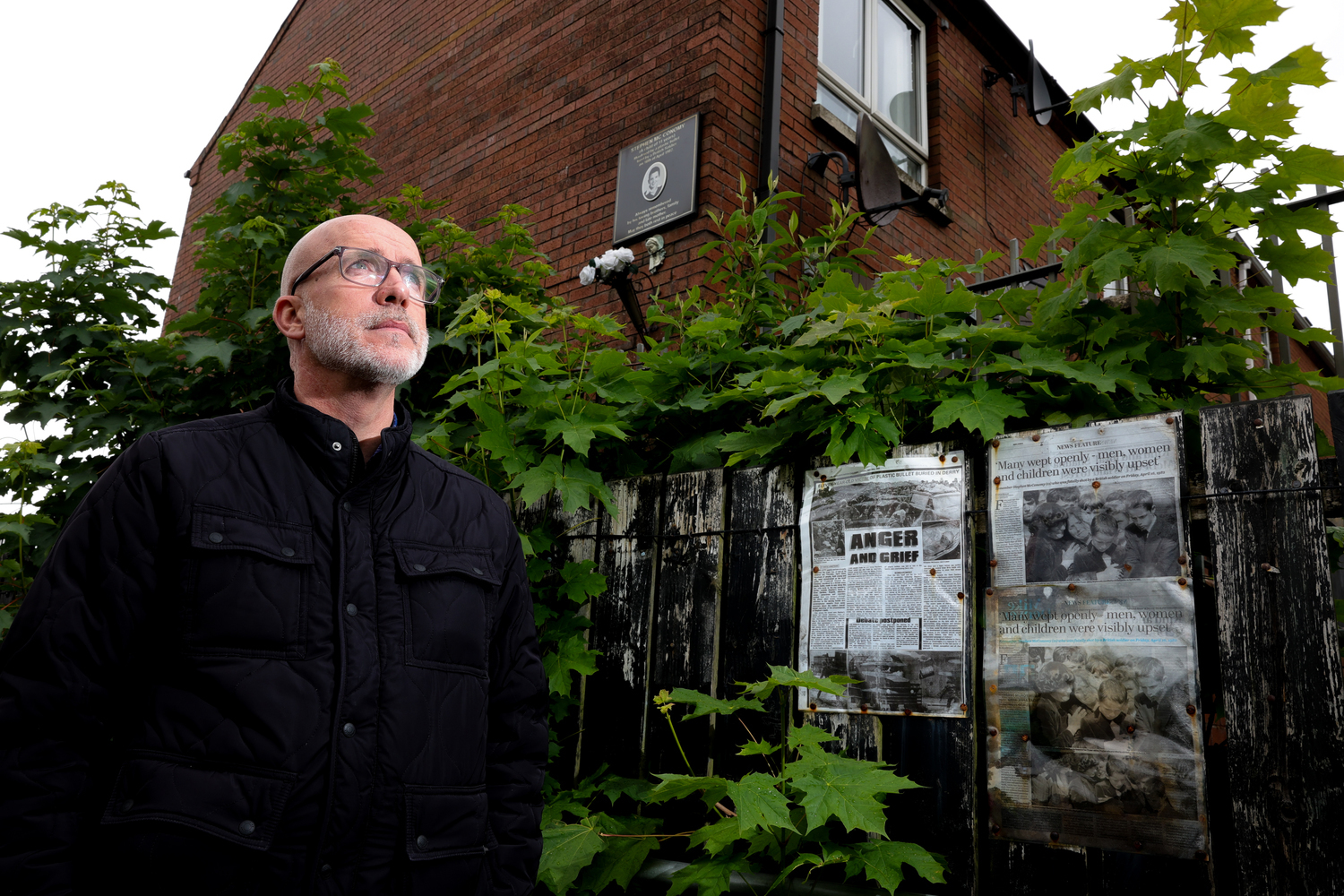
Trevor Brecknell was celebrating the birth of his daughter Roisin when gunmen opened fire inside a pub in south Armagh in 1975. The 32-year old was killed, along with two others.
No one was ever charged. Mr Brecknell's son, Alan, was just seven years old.
For decades, the killing was one of thousands from the Troubles that never received a full accounting. Then, years later, new information emerged: a former officer in the Royal Ulster Constabulary gave evidence linking a series of sectarian attacks to loyalist paramilitaries active at the time of Brecknell’s death. Armed with that affidavit, the family asked the authorities to reopen the case.
They were refused.
Instead, the Brecknells took their fight beyond the UK courts to the European Court of Human Rights. In 2007, judges ruled that the British government had failed to respond properly to the new evidence. When credible information comes to light, the court held, the state has an obligation to take further investigative steps.
The decision helped establish what has become known as the Brecknell Test, a legal standard used to determine when authorities must revisit unresolved deaths.
The ruling established a procedural standard that has since been cited far beyond Northern Ireland.
In the Netherlands, the parents of a young woman who was murdered in their attic asked for a new trial for a man initially acquitted of the crime. In Hong Kong, Filipino domestic workers demanded the government reopen an investigation into their working conditions. In Romania, the families of victims killed during protests in 1990 said the state never looked into their loved ones’ deaths.
While the Brecknell Test is cited in legal decisions worldwide, the standard is used most frequently at home, as many families are still struggling to find justice and accountability.
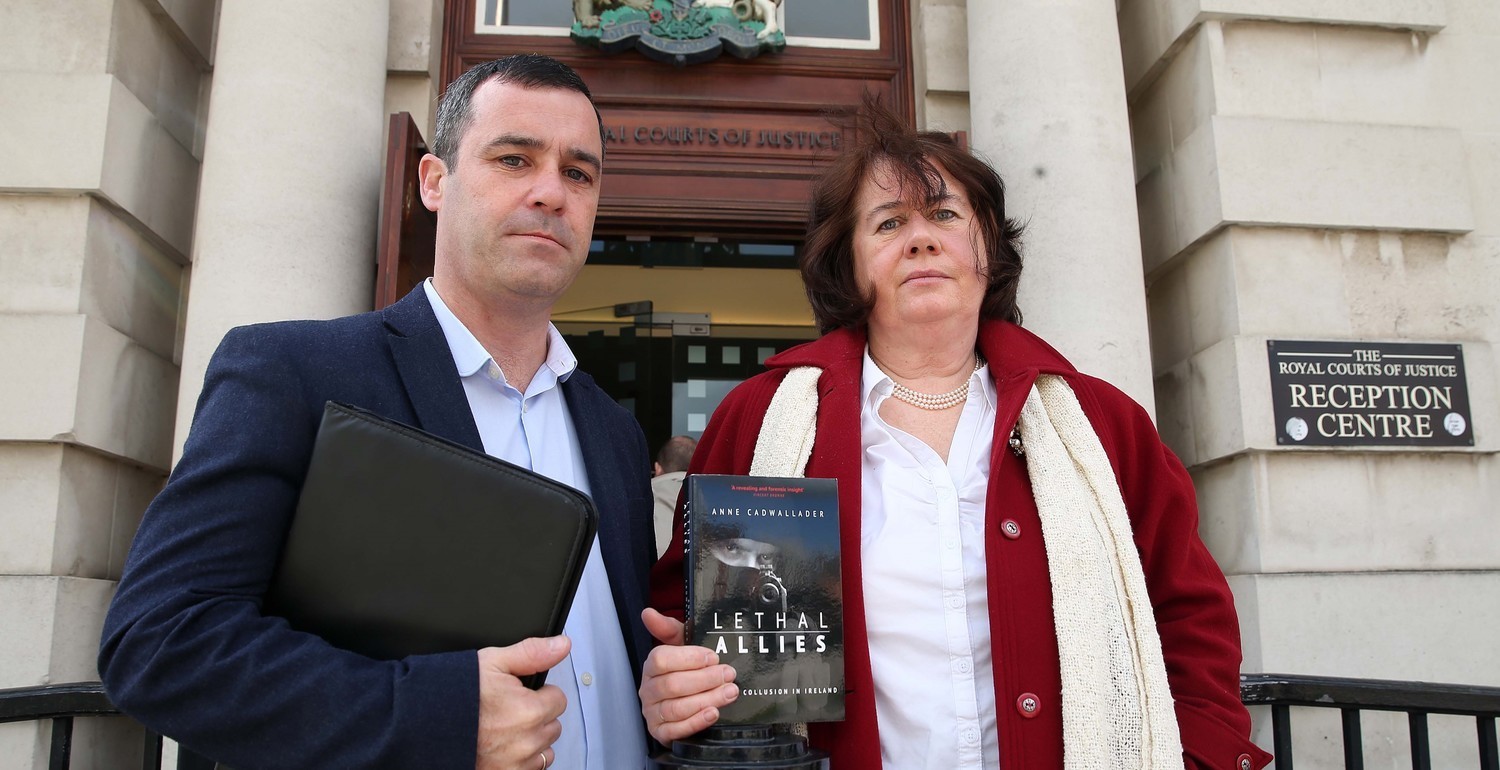
Alan Brecknell, who now works helping other victims at the Pat Finucane Centre, hears his family name regularly cited in legal decisions. “I feel a measure of pride when I hear my name in court,” he said, though “It’s always a bit surreal.”
The precedent was used to reopen the investigation into the 1989 killing of lawyer Pat Finucane by loyalist paramilitaries, the 1972 shooting death in disputed circumstances of Jean Smyth, and into the treatment of the Hooded Men, who were subjected to British Army methods that were later judged to be so severe they would now be characterised as torture.
Brecknell’s case was not unique. Across Northern Ireland, families who had lost relatives during the conflict had long argued that initial investigations were cursory, opaque or compromised.
Many would turn to Strasbourg, forcing the UK government to account for how it handled killings involving both paramilitaries and state forces.
Over time, a series of rulings from the European court reshaped the legal landscape. They set new requirements for how deaths must be investigated, expanded what information families are entitled to see, and limited the government’s ability to withhold evidence on national security grounds.
For some, those decisions brought long-delayed answers. For others, they exposed the limits of a system that could acknowledge failures without delivering justice.
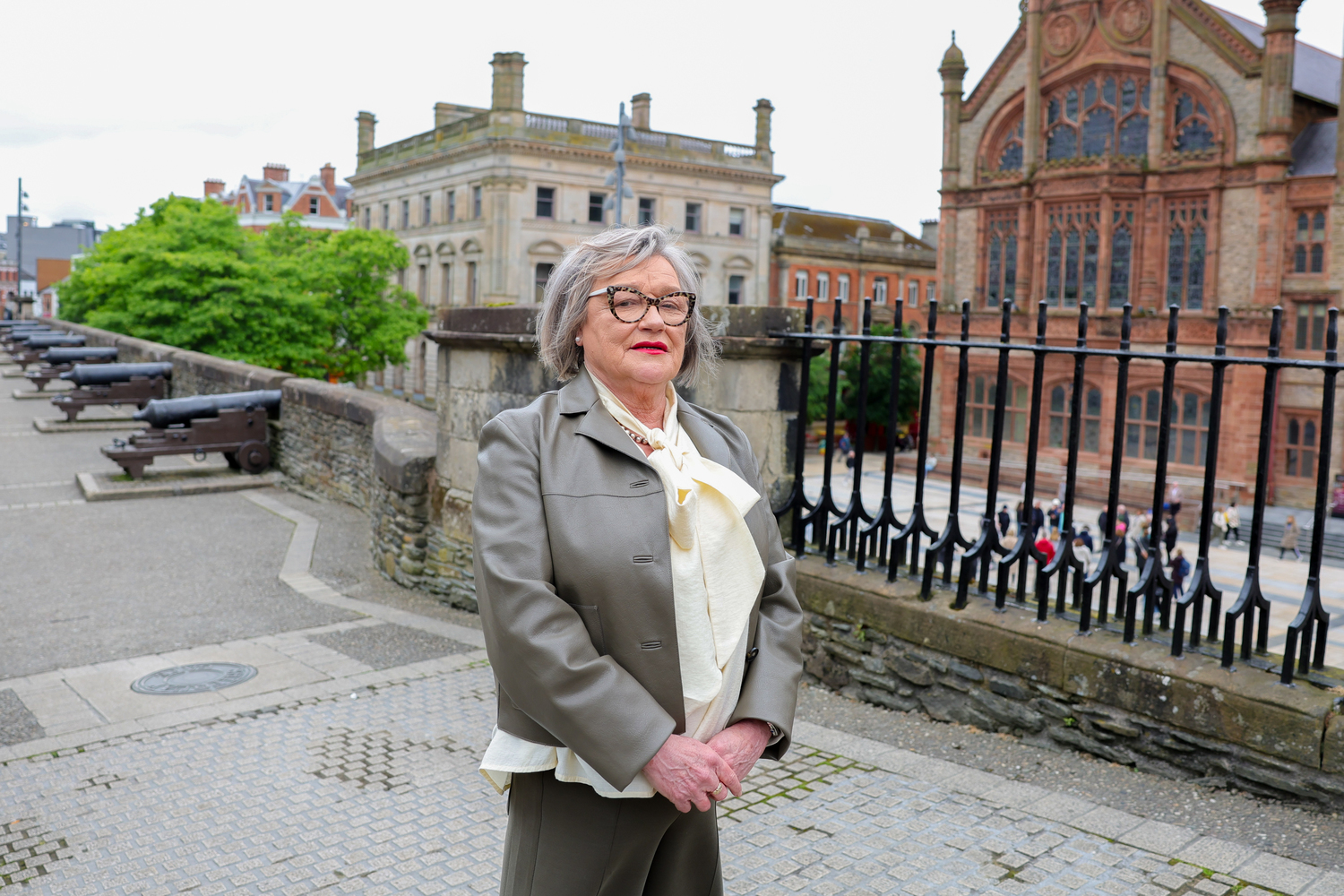
One of those families was that of Kathleen Thompson. In 1971, the mother of six was shot dead in the back garden of her home by British Army soldiers during a raid on a neighbouring house. The investigation that followed was brief. The soldier who fired the fatal shot, known only as Soldier D, was interviewed for just 15 minutes. He said he had come under fire and acted in self-defence.
For decades, Ms Thompson’s children were denied access to key information about the case, including the identity of the shooter. Like the Brecknell family, they filed appeal after appeal, pushing for a more thorough examination of what had happened that day.
“You become afraid to expect anything,” Minty Thompson, who was 12 when she saw her mother’s body lying outside their home, said of the process of being rebuffed at nearly every turn. “You don’t have emotions, you just go on,” she said.
In 2003, the High Court in Northern Ireland found that the original investigation had been inadequate, citing decisions from the European Court of Human Rights. Nearly two decades later, a fresh inquest concluded that the killing was unjustified, dismissing the soldier’s account as “contrived and self-serving.”
Ms Thompson said the ruling, some thirty years after her mother’s death, helped clarify what her family had long believed. "I don't think you ever really get closure," she said, of the family's own experience, while insisting that not following through on behalf of others would have been worse. “I think the guilt of not doing anything would have killed us.”